


Retail Store Setup Guide 2026 | Layout, Fixtures & Shelving
The Complete Guide to Retail Store Setup in 2026: Layout, Fixtures, and What Actually Drives Sales
By SI Retail | Updated for 2026
Retail in 2026 is more competitive than ever. Customers have more choice, shorter attention spans, and higher expectations when they walk into a store. That means store setup isn’t just about “making things look nice” anymore — it’s about making it easy for customers to buy.
At SI Retail, we work with retailers every day. And if there’s one thing we’ve learned, it’s this:
The right store setup can increase customer flow, improve conversion, and lift average spend — without needing a full renovation.
This guide breaks down what a strong retail store setup looks like in 2026, what’s changed, and what genuinely drives sales in real stores (not just in theory).
What Is Retail Store Setup?
Retail store setup is the way your store is designed to support customer movement, product visibility, and buying behaviour.
It includes:
- Store layout (how customers move through your space)
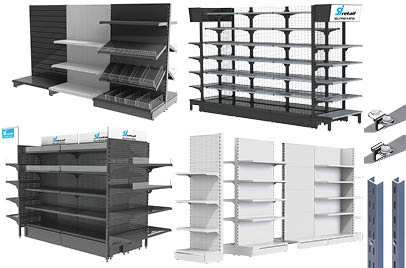
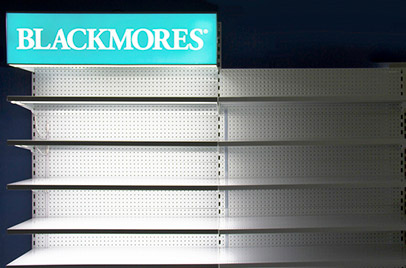
- Fixtures and fittings (shelving, displays, counters, racks)
- Product zoning (where product categories and bestsellers live)
- Visual merchandising (presentation, signage, promotions)
- Customer experience design (how easy it feels to browse and buy)
A strong setup doesn’t just look good — it guides customers through a journey, reduces friction, and helps them make purchase decisions faster.
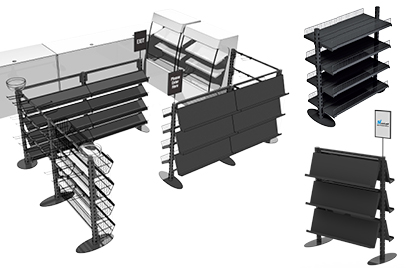
➡️ Related: Explore shop shelving systems & gondolas built to maximise space and product visibility in any retail setting.
How Retail Store Setup Has Changed in 2026
If you haven’t updated your setup approach in a while, you’re not alone — but the rules have shifted.
Customers browse faster
People walk in already informed. They’ve checked prices online, seen products on social media, or searched reviews before visiting.
That means your store needs:
- Clear product categories
- Simple navigation
- Strong “hero” product visibility
Flexibility matters more than perfection
Retailers are changing displays and promotions more often. Seasonal setups, short launches, and rotating offers are common.
So instead of building a store around one “perfect” layout, the smart move is using:
- Modular fixtures
- Adjustable shelving
- Easy-to-update signage
➡️ Helpful categories: Check out Versa retail shelving kits for flexible, durable shelving that adapts with your store layout.
The experience is the differentiator
Big retailers can offer range. Online stores can offer convenience.
Your edge is the experience:
- How easy your store is to shop
- How confident your customers feel
- How supported they are when deciding
A great setup turns “just browsing” into “I’ll take it.”
The 5 Core Elements of a High-Performing Retail Store in 2026
If you only focus on five things this year, follow the below.
1) Store Flow: Make Movement Easy
Store flow is the path customers naturally take through your space.
A well-flowing store:
- Feels intuitive
- Reduces decision fatigue
- Encourages customers to explore further
Quick wins for better flow:
- Keep entry areas open (don’t crowd your doorway)
- Create a clear path from front to middle to back
- Avoid “dead ends” where customers stop and turn around
- Leave enough space for people to browse without bumping into each other
Tip: If customers frequently ask “Where is ___?” your layout is doing extra work it shouldn’t have to.
➡️ If your space is tight, consider narrow aisle gondola shelving (shorter depth of shelves) paired with gondola aisle signage.
2) Fixtures That Sell: Choose Structure Over Cheap
Fixtures aren’t just storage — they shape the buying experience.
In 2026, high-performing stores use fixtures that are:
- Adjustable
- Modular
- Durable
- Easy to reset for promotions
A common mistake is choosing fixtures based on price alone. Cheap fixtures often lead to:
- Messy presentation
- Uneven product visibility
- Wasted space
- Frequent replacements
- Bowing or bending of shelves or panels
- Being easily scratched, dented or damaged
Instead, invest in fixtures that:
- Display bestsellers at eye level
- Create product “stories”
- Group items in a logical way
- Are high quality and made from thick steel
➡️ Browse solutions: shop shelving & retail shelving systems built for flexibility and durability across industries.
Rule of thumb: If a fixture makes your store look cluttered, it’s costing you sales.
3) Product Zoning: Group Products the Way People Shop
Product zoning is where you decide what sits where — and it can change how much customers spend.
High-performing zoning in 2026 looks like:
- Bestsellers in high visibility areas
- Similar products grouped together
- Add-ons placed near core purchases
- Seasonal items in “hot zones”
Simple zoning strategy that works:
- Put your top category in the easiest-to-find spot
- Put your highest-margin items near that category
- Put small add-ons at counter or checkout areas
Customers don’t want to hunt — they want to browse and discover.
Good zoning gives them both.
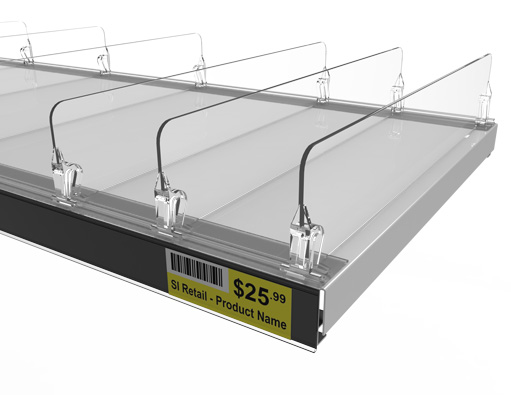
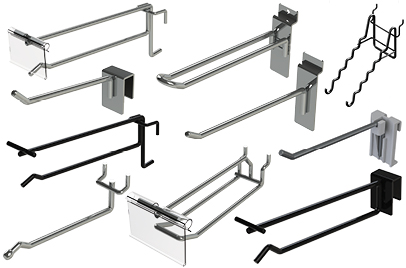
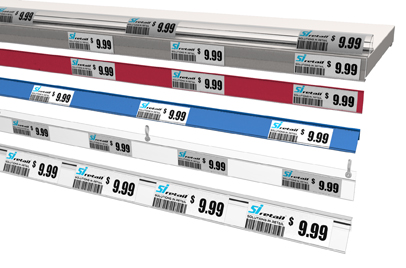
➡️ Add-on sales tip: Use display hooks, data strips & accessories to highlight small add-ons where customers see them.
4) Lighting and Visibility: Make Your Products “Pop”
Lighting is a sales tool, not just a design choice.
Many stores lose sales simply because:
- Key products aren’t visible enough
- Shelves feel flat or dull
- Dark corners get ignored
In 2026, visibility matters because it helps customers decide faster.
Quick wins:
- Highlight hero products with brighter lighting
- Keep signage readable at a distance
- Avoid visual clutter (too many price tickets or promo signs)
- Make sure your best products are visible from the entrance
➡️ Related: Improve visibility with LED shelf lighting & signage solutions that draw attention to key products.
If customers can’t “see it instantly,” they’ll skip it.
5) Staff Interaction Zones: Make It Easy to Ask for Help
Staff are one of the strongest competitive advantages a physical store has — but only if customers feel comfortable engaging.
A strong setup:
- Creates natural “ask us” moments
- Makes checkout simple
- Supports quick recommendations
Practical improvements:
- Keep the counter visible (not hidden behind displays)
- Create clear consultation areas for higher-consideration products
- Position staff where customers hesitate or browse most
In 2026, people don’t just buy products — they buy confidence.
Your staff + setup should deliver that.
➡️ Helpful accessories: Consider impulse displays to improve add-on sales at or near the checkout counter.
Common Retail Store Setup Mistakes (And How to Avoid Them)
These are issues we see constantly — and they’re fixable.
Mistake 1: Overcrowding shelves
Clutter reduces product clarity and overwhelms customers.
Fix: Feature fewer products better.
Mistake 2: Copying a big retailer layout
Different store formats need tailored solutions.
Fix: Build around your best categories and customer behaviour.
Mistake 3: Choosing cheap fixtures
Cheap fixtures often mean frequent replacements and less clarity.
Fix: Choose modular systems that adapt with your store.
Mistake 4: Ignoring the store entrance
A boring or cluttered entry turns customers away.
Fix: Keep entrances open and welcoming.
Mistake 5: Poor signage or unclear pricing
Confusion kills conversion.
Fix: Keep signage clear and readable.
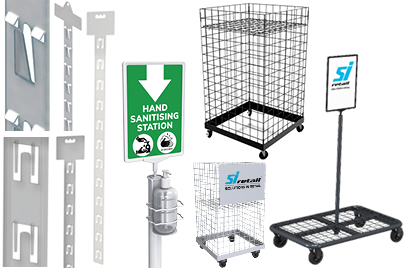
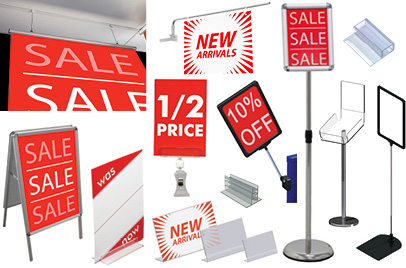
➡️ If you’re refreshing signage or pricing solutions, check out signage & display accessories to improve clarity.
Store Setup for Different Retail Models: What Works Best in 2026
In 2026, there isn’t one “perfect” store setup — because different retail models are designed to achieve different outcomes.
Larger-format and multi-location retailers often prioritise:
- Efficient customer flow
- Consistent presentation
Specialty retailers often prioritise:
- Curated discovery
- Flexible merchandising
The strongest setups are built around your store size, product range, customer behaviour, and sales goals — not a copied layout.
Tip: Start by optimising your top-selling categories and improving customer flow first, then adjust fixtures and zoning to support how people actually shop.
How to Improve Your Store Setup Without a Full Refit
You don’t need a full rebuild to see improvements. Try these steps:
- Reset your top 20% of products — move bestsellers to high-visibility spots.
- Replace one underperforming fixture — focus on clarity and durability.
- Fix one “decision zone” — where customers hesitate most.
- Give space where it matters most — entrances, bestsellers, promos.
- Ask staff where customers get stuck — use that insight to adjust the setup.
➡️ Quick options: Browse displays and shop fittings to make targeted improvements fast.
Helpful SI Retail Resources
If you’re planning a store refresh in 2026, these categories can help you build a flexible, high-performing setup:
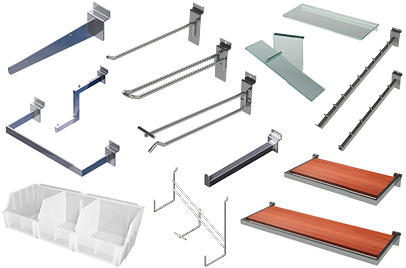
- Shop shelving & retail shelving systems
- Versa retail shelving kits
- Display hooks & accessories
- Data strips & accessories
- LED lighting & signage fixtures
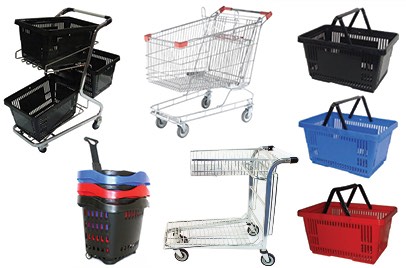
- Shopping trolleys and shopping baskets
If you’d like help choosing the best setup for your space, our team can recommend options based on what you’re trying to achieve.
➡️ Talk to SI Retail
FAQ: Retail Store Setup in 2026
What is the best retail store layout in 2026?
Layouts that prioritise customer flow, visibility, and flexibility perform best.
How do fixtures impact retail sales?
Better fixtures improve how customers browse and decide, increasing conversion.
How often should a store update its layout?
Many retailers refresh small areas monthly and major zones seasonally.
What setup mistakes reduce conversion rates?
Cluttered displays, poor entrance visibility, and unclear pricing are common offenders.